Hardware Product Specification

X100 Sleep Sensor for Adjustable Beds

Purpose-built for adjustable beds: quick to fit, thin enough to disappear, and built to take the rubbing. Two independent left and right modules in a compact 233 × 68 mm body.
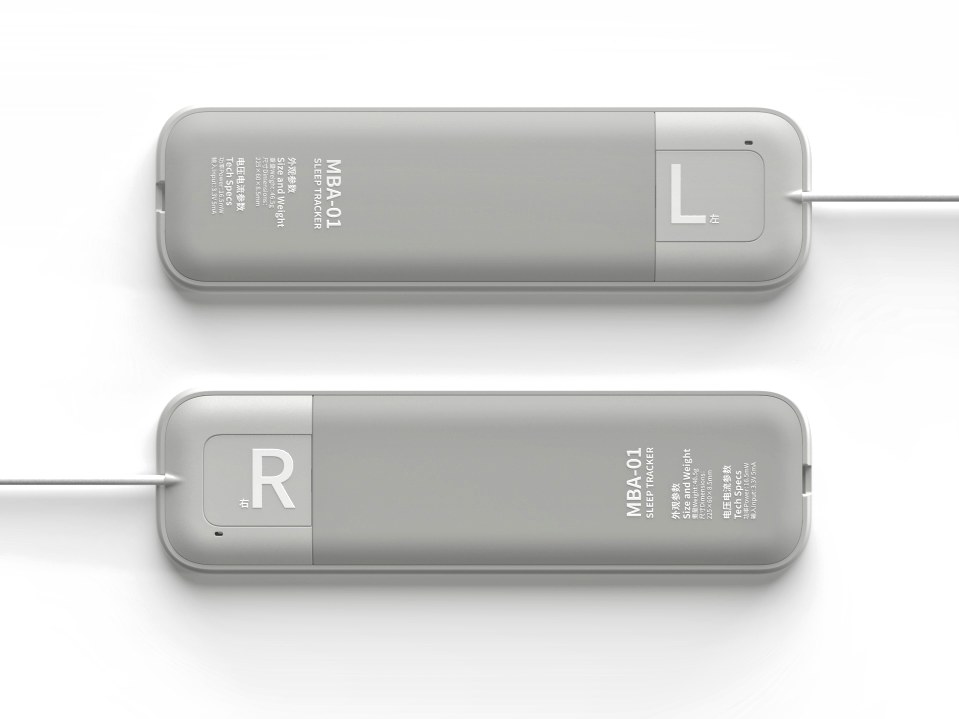
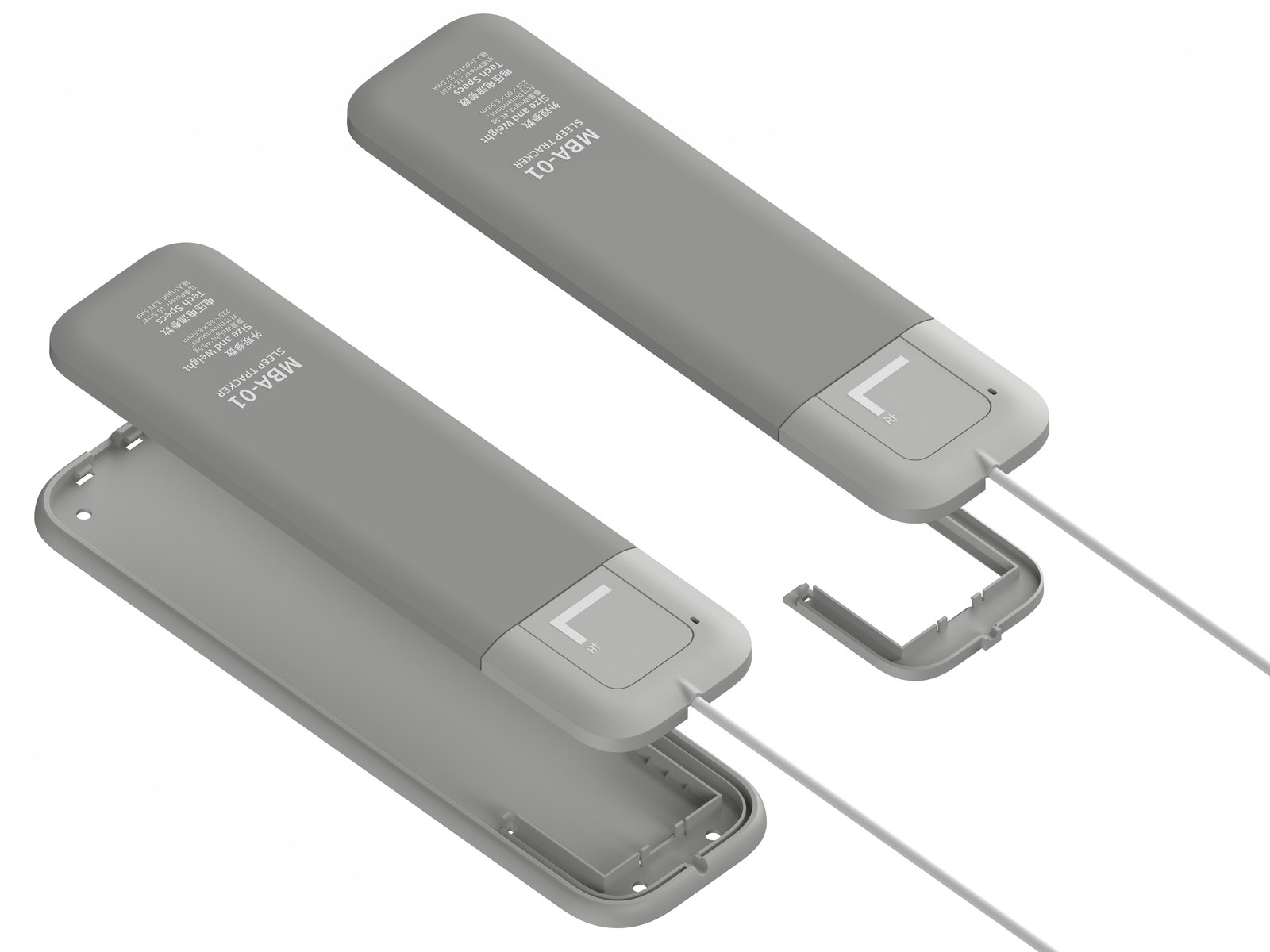
X100 L / R
95%+Heart Rate Accuracy
±3 bpmRespiration Error
≤10 sBed/Exit Response
5 yrsLocal Storage
Built for Adjustable Beds

Three practical problems on an adjustable bed

An adjustable bed moves every day, and the mattress shifts against the platform each time. A sensor here has to fit fast without slowing the line, stay thin enough that nobody feels it or sees it through the mattress, and survive that constant rubbing. X100 was built for exactly those three.

01

Quick to fit

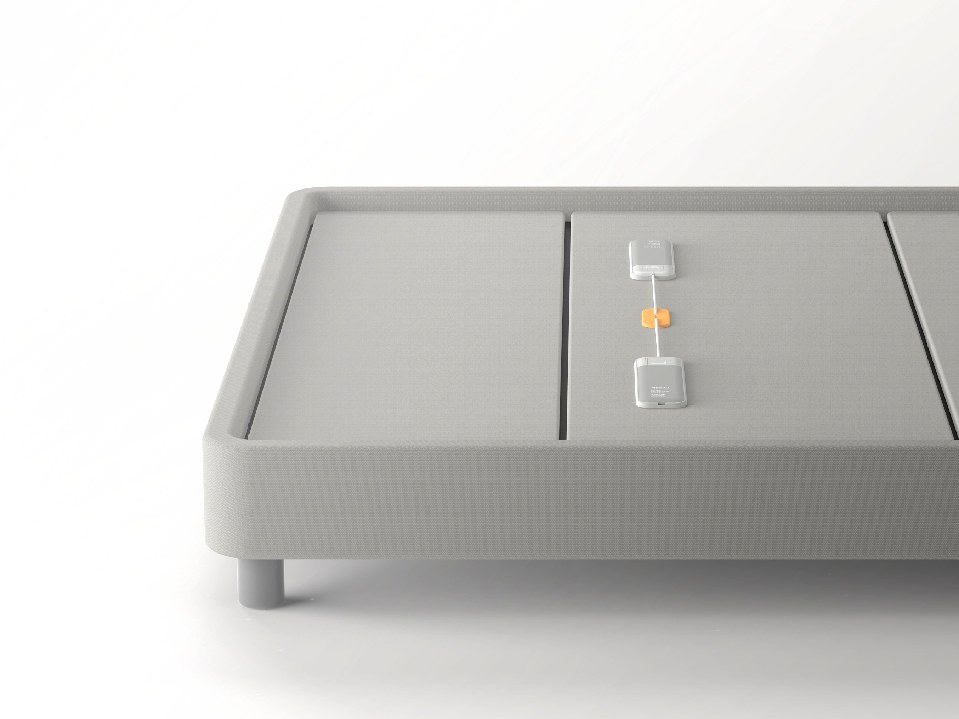
A self-contained module, one per side, fixed straight onto the platform with no change to the bed's structure. Direct and tray mounting cover different platform types, and no special jig is needed on the line.

02

Thin enough

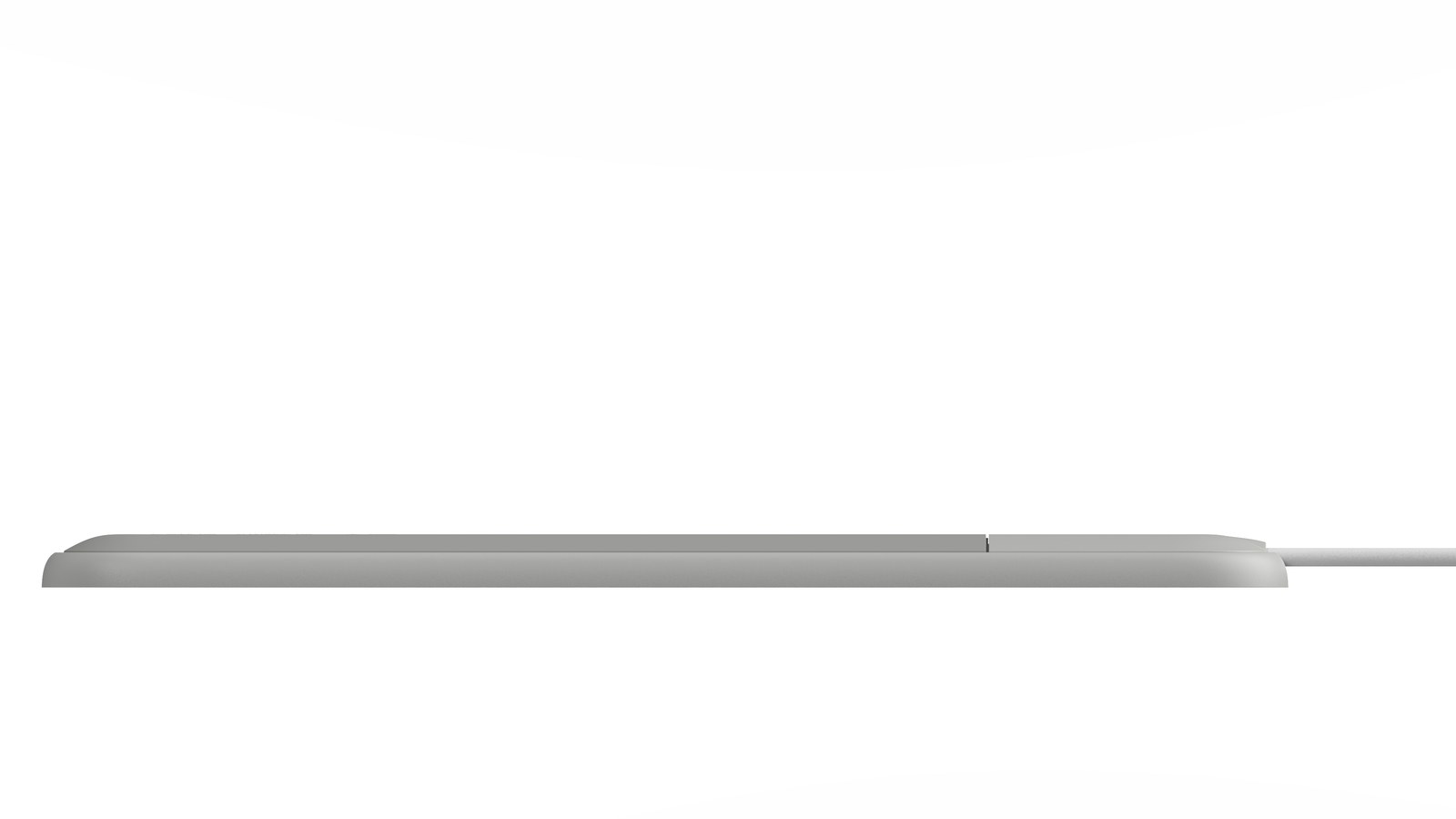
6.6 mm overall mounted directly, 9.8 mm with the tray, with a tapered edge. The mattress sits over it without a pressure point and without printing its outline through the surface.

03

Takes the rubbing

A sealed one-piece shell with an abrasion-resistant surface. Every time the bed articulates the mattress slides across the platform; the sensing layer stays enclosed, never rubbing against the mattress, so it does not wear.

Form & Mounting

Two mounting options, two heights

The module mounts directly to the platform at 6.6 mm overall height, or into a retaining tray at 9.8 mm. Choose by platform construction and cable routing — sensing performance is identical either way.

Dimensions233 × 68 mm
Direct mount height6.6 mm
Tray mount height9.8 mm
ModulesOne per side (L / R)
LocationFixed directly to the platform, one per side

Side profile: a single flat body with a tapered edge that will not print through the mattress.

Inside

Sensing and computing in one shell

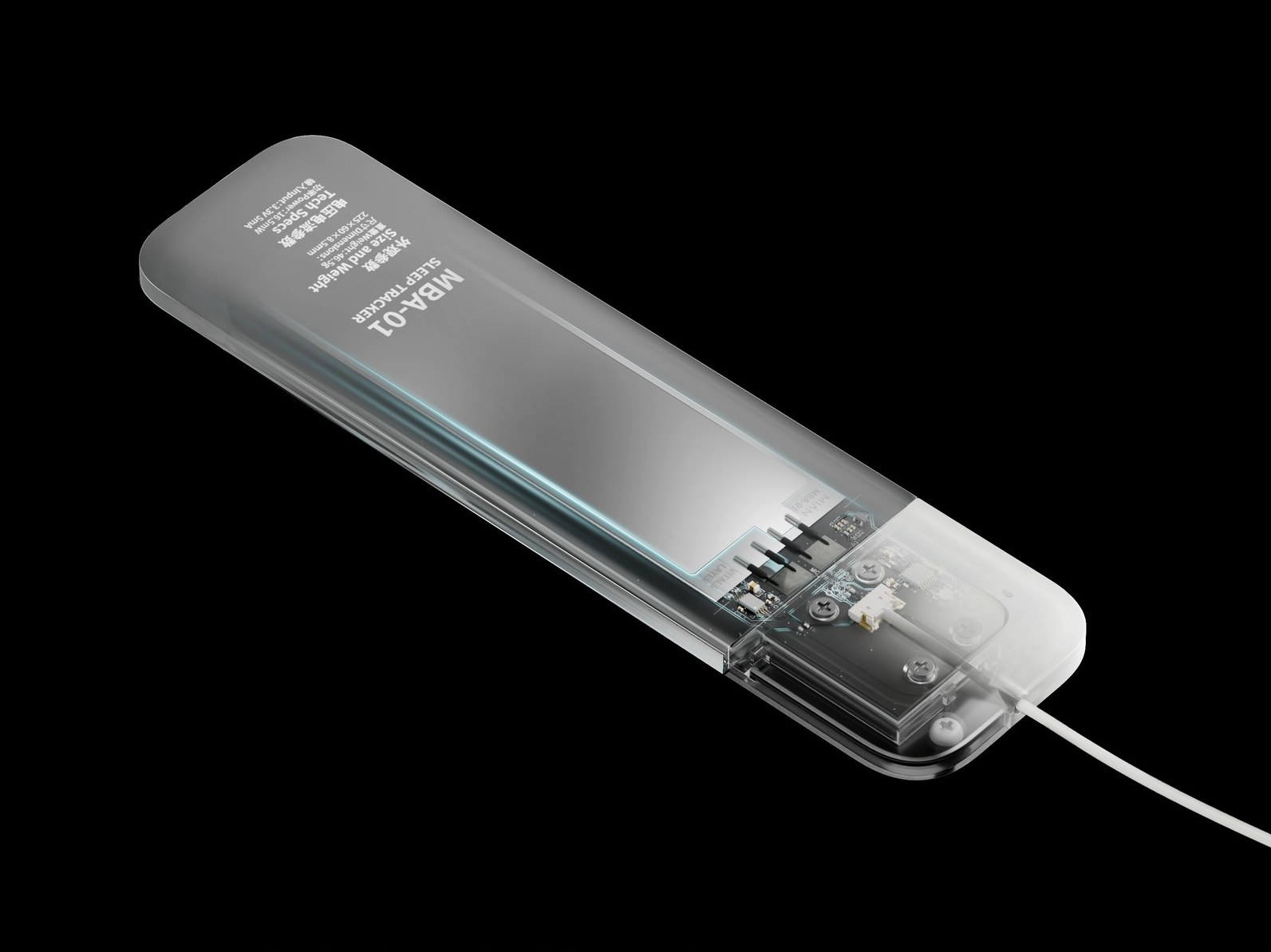
The flexible sensing layer, the signal-conditioning circuitry and the algorithm controller share one housing — no external control box. A full night is solved and stored locally, with no cloud or network dependency.

Dual Zones

Left and right, independently

The L and R modules sample and decide independently. On a double bed each side gets its own heart rate, respiration, occupancy and movement record — one person getting up at night does not disturb the other's report.

On a dual-motor bed each side articulates independently, so per-zone sensing maps naturally onto the bed's own structure.

Capability

Real-time and full-night output

Capability matches S100 — the same on-device algorithms, in a form redesigned for adjustable beds.

Real-time
Heart rate40–110 bpm, accuracy >95%
Respiration rate10–30 breaths/min, error ±3
Bed/exit detectionResponse ≤10 s
Body movementToss-turn + micro-movement
SnoringTensorFlow voiceprint AI
Data outputOne frame per second
Full-night report
Sleep score0–100 composite rating
Sleep stagesDeep / Light / REM / Awake, 20 s granularity
Time trackingBed-in, sleep-onset, wake-up, get-up
Vital signsHR avg / max / min + HRV
Night awakeningsCount & duration statistics
Per-zone reportSeparate record for each side
Specifications

Technical specifications

Hardware
ModelX100
Dimensions233 × 68 mm
Mount height6.6 mm direct / 9.8 mm with tray
ConfigurationPaired L / R modules
Bed typeAdjustable and electric beds
InterfaceUART / BLE / Wi-Fi, selectable
Signal & algorithm
Sensing principlePiezoresistive + piezoelectric
Sampling rate200 Hz
Cardiac band-pass0.6 – 2.5 Hz
Respiration band-pass0.1 – 0.5 Hz
HR refreshEvery 4 s (60 s sliding window)
Compute & storageFully on-device, no cloud (cloud version optional)

Figures on this page are for product description; the shipped technical documentation and test reports govern.

S100

Sewing into a mattress or blanket? See S100

A 1.5 mm flexible fabric strip, 40 × 550 mm, deforming with the mattress — for sewing into mattresses, temperature-regulating blankets and pillows.

View S100 →